Outdoor Activities for Toddlers (2025): Fun, Growth & Fresh Air Play Ideas for Early Learning
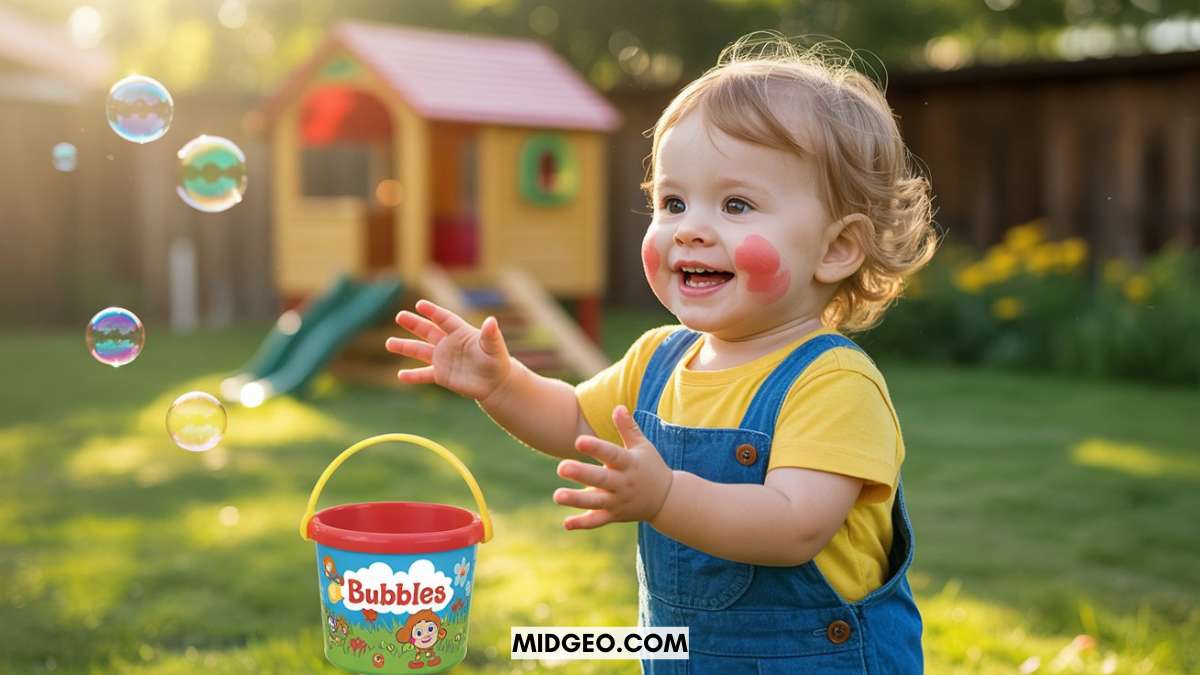
If you’ve ever watched a toddler gleefully chase bubbles or stomp through puddles, you already know: outdoor play is pure magic. But beyond the giggles and grass-stained knees, outdoor activities for toddlers offer essential developmental benefits that set the foundation for lifelong learning.
From building strong bones and better coordination to improving attention span and social skills, outdoor time helps toddlers thrive — especially in today’s screen-heavy world. Whether you’re a parent planning weekend adventures or an educator designing a toddler outside play area at school, finding age-appropriate, engaging outdoor activities is key.
**Please note that this article may contain affiliate links. You can read my full disclosure at the bottom of this page.
This guide explores 20+ outside activities for toddlers that combine fun with early education. You’ll also learn about the benefits of outdoor activities for toddlers, including the five importance of outdoor play in early childhood development. We’ve included ideas for small spaces, school settings, and DIY backyard fun — so there’s something here for every budget and environment.
Ready to help your little one grow, move, and explore? Let’s dive into the sunshine-powered world of toddler outdoor play!
1. Why Outdoor Play Matters in Early Childhood
The early years are a critical time for growth, and toddlers need more than indoor stimulation. Outdoor activities for toddlers not only provide fresh air and exercise but also encourage risk-taking, discovery, and connection with nature. According to child development experts, regular outdoor play improves motor skills, emotional regulation, and even language acquisition.
Incorporating outside activities for toddlers into daily routines builds stronger muscles and sharper brains—making outdoor play as important as story time or nap time.
2. Physical Development Activities
Outdoor play is ideal for developing toddlers’ gross motor skills, which are essential for walking, running, balancing, and climbing. These outdoor activities are not only fun—they also build coordination, spatial awareness, and physical confidence in toddlers.
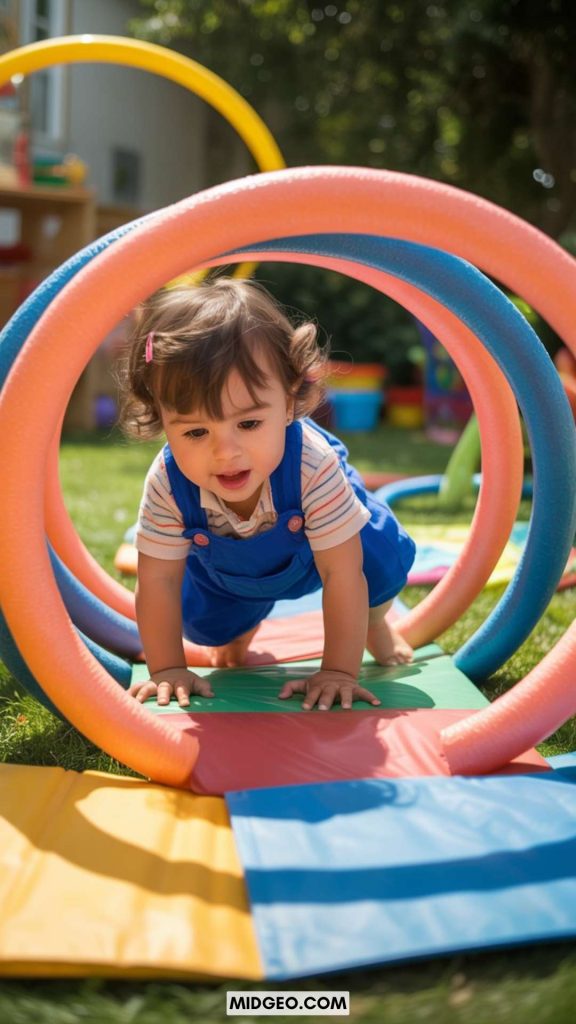
a. Obstacle Courses:
- Transform your backyard into a toddler-friendly obstacle course using cones, pillows, hula hoops, cardboard boxes, or pool noodles.
- Encourage activities like crawling through tunnels, hopping over lines, weaving around cones, or balancing on low beams.
- Great for developing strength, balance, and problem-solving skills as toddlers navigate from one challenge to the next.
b. Toddler-Friendly Ball Games:
- Use soft, oversized balls to teach rolling, tossing, and gentle kicking.
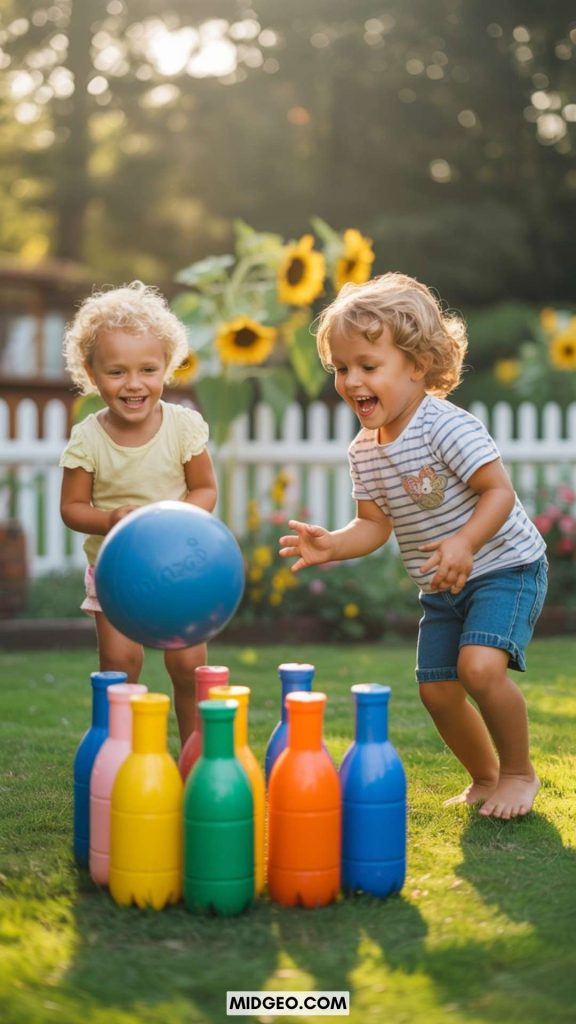
- Games like beach ball bowling (knocking over plastic bottles) or balloon volleyball (using a sheet as the net) are non-competitive and easy to adapt.
- These games promote hand-eye coordination and spatial timing without needing formal rules.
c. Climbing & Crawling Spaces:
- Mini climbing domes, toddler slides, and soft foam climbing blocks provide safe climbing opportunities.
- Crawl tunnels (like pop-up play tubes) build strength and spatial awareness while doubling as imaginative play zones.
- These activities challenge upper and lower body muscles while encouraging adventurous movement.
d. Bubble Chasing:
- A timeless and magical activity that gets toddlers running, reaching, jumping, and giggling.
- Use a bubble machine or handheld wand to create streams of bubbles that encourage spontaneous movement.
- This activity improves reaction speed, focus, and aerobic activity while maintaining a joyful atmosphere.
You might like: Adorable Toddler Birthday Party Ideas Kids Will Love
3. Sensory & Exploration-Based Outdoor Ideas
Outdoor environments naturally provide multi-sensory stimulation. Integrating sensory-based outdoor play allows toddlers to explore their surroundings using touch, smell, sound, and sight—all crucial for brain development.
a. Water Play Station:
- Set up a DIY water table using plastic tubs or shallow bins filled with water, cups, ladles, and floating toys.
- Add color with non-toxic food dye or bubbles with mild dish soap for sensory variety.
- This activity enhances fine motor skills, cause-and-effect understanding, and keeps toddlers cool in warm weather.
b. Nature Treasure Hunt:
- Give toddlers a list of simple natural objects to find, such as pinecones, flowers, rocks, or feathers.
- Use egg cartons, baskets, or muffin tins to help them collect their finds.
- Builds attention to detail, vocabulary (naming objects), and appreciation for nature.
c. Mud Kitchen or Dirt Digging Area:
- Designate a small area of the yard where toddlers can dig, stir, pour, and pretend to cook using soil, water, and old kitchen tools.
- Offer bowls, wooden spoons, small pots, and even toy food.
- Fosters imaginative play, fine motor control, and sensory awareness through messy, open-ended exploration.
d. Sensory Paths:
- Create paths made of different textures such as soft grass, bark mulch, smooth pebbles, tiles, or rubber mats.
- Encourage toddlers to walk barefoot, jump, or tiptoe along each surface.
- These paths help toddlers understand contrasts in texture, pressure, and temperature, supporting sensory integration and balance.
Sensory play helps toddlers make sense of the world. Outside, the textures, sounds, and scents enhance their sensory learning.
Related: Best Toddler Party Games to Keep Little Ones Smiling!
4. Social & Emotional Development Games
Outdoor play isn’t just about running and jumping—it’s also the perfect environment for nurturing emotional intelligence and social interaction. Activities in this category build confidence, empathy, and communication skills in young children.
a. Parachute Games:
- Use a toddler-sized parachute or even a large bedsheet.
- Toddlers can work together to bounce lightweight balls, lift the sheet high and duck under, or sit in a circle singing songs.
- These group activities promote cooperation, anticipation, and joint movement.
b. Follow the Leader:
- This classic game is perfect for teaching listening and observational skills.
- Toddlers can take turns being the leader, using actions like hopping like a frog, crawling like a turtle, or spinning in circles.
- Builds empathy by encouraging toddlers to take turns and cheer for each other.
c. Group Bubble Station:
- Set up a station with multiple bubble wands or a shared bubble machine.
- Toddlers must wait their turn and take part in a group setting.
- Encourages patience, cooperation, and shared joy over individual competition.
d. Imaginative Role Play:
- Create a pretend outdoor space like a “grocery store,” “kitchen,” or “garden center.”
- Use props such as empty boxes, aprons, or toy tools.
- Promotes storytelling, emotional expression, and understanding of social roles through pretend scenarios.
5. Educational & Nature-Based Play Ideas
The great outdoors is a natural classroom, filled with endless opportunities for learning through movement and exploration. These activities make early learning fun, interactive, and grounded in real-world experiences.
a. Alphabet Garden:
- Hide waterproof or foam letters around the yard.
- Call out letters for toddlers to find, then say the name and a matching object (“S is for Sun”).
- Enhances letter recognition, vocabulary building, and active engagement.
b. Counting Games with Nature:
- Use leaves, pebbles, acorns, or sticks to practice counting.
- Sort them into piles based on number, size, or color.
- Builds early math skills like grouping, sorting, and one-to-one correspondence.
c. Nature Art Projects:
- Let toddlers gather natural materials (leaves, twigs, petals) to create collages or nature rubbings using crayons and paper.
- Try creating simple sculptures using clay and found objects.
- Encourages creativity and appreciation for nature’s beauty.
d. Storytime on a Blanket:
- Bring books outside for a cozy outdoor story session under a shady tree or in a tent.
- Choose nature-themed books or interactive stories where toddlers can act out scenes.
- Encourages love for reading, listening skills, and theme-based discussion in a calming setting.
Outside learning is fun and effective! These ideas blend education with adventure.
6. Outdoor Activities for Toddlers at School
Structured outdoor learning is a foundational element in early childhood education. Schools and preschools can use outdoor environments to teach academic concepts, motor skills, and social development in engaging, hands-on ways.
a. Gardening Projects:
- Toddlers can assist with planting seeds, watering garden beds, and watching their plants grow.
- These projects teach patience, responsibility, and cause-and-effect relationships.
- Use child-safe tools and easy-to-grow plants like herbs, sunflowers, or beans.
b. Outdoor Music & Movement Time:
- Bring musical instruments outdoors—tambourines, rhythm sticks, bells, and shakers.
- Combine songs with stretching, jumping, and marching.
- This strengthens listening skills, rhythm awareness, and physical coordination.
c. Shape & Color Scavenger Hunts:
- Call out a color or shape and have toddlers search for natural or playground items that match.
- Add challenge by using cards or a picture checklist.
- Builds visual discrimination and keeps toddlers moving.
d. Chalk Play Zones:
- Provide chunky chalk for drawing letters, numbers, or shapes on sidewalks.
- Create hopscotch grids or alphabet trails to follow.
- Mistakes are easy to fix and creativity is encouraged!
🏅 Recommended Toddler Outdoor Play Products Buy On Amazon
Step2 Game Time Sports Climber & Slide
This versatile playset features a low slide, climbing ladder, crawl-through space, and even a built-in basketball hoop—perfect for encouraging balance, climbing, coordination, and group play in toddlers (great for obstacle-course style activities). Parents praise its sturdy construction and its suitability for both indoor and outdoor settings .
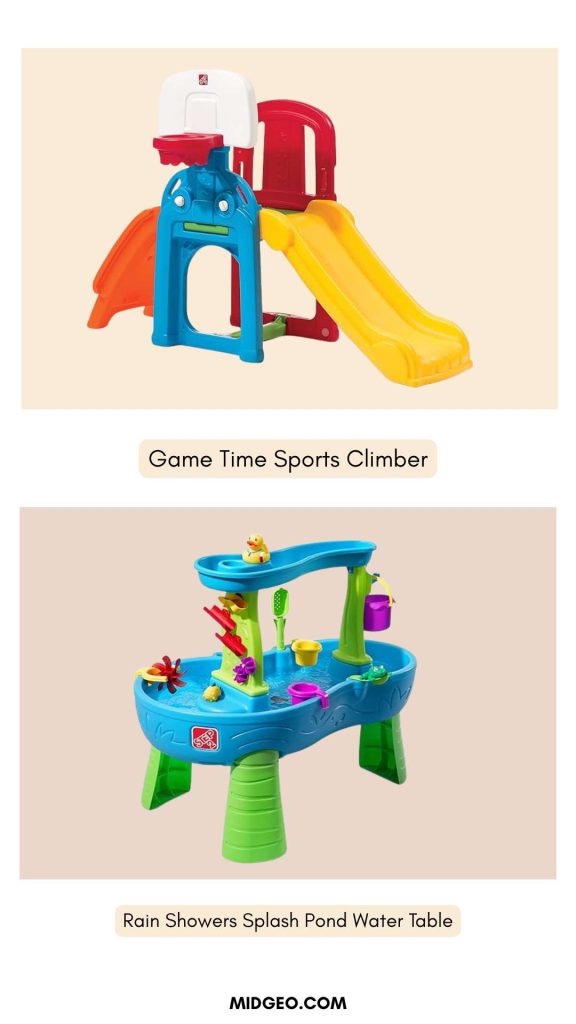
Step2 Rain Showers Splash Pond Water Table
A sensory-rich water and sand table that delights toddlers with cascading water features, included accessories, and ample room for multiple children. This table supports fine motor skills, cause‑and‑effect learning, and cooperative play—making it ideal for water play activity stations and exploration-based ideas.
7. Tips for Creating a Toddler Outside Play Area
Designing a toddler-friendly outdoor space doesn’t require a huge yard or expensive equipment. Whether you’re setting up at home or in a preschool, the key is creating an environment that is safe, engaging, and suited to toddler development.
Safe:
- Use soft surfaces like grass, mulch, or rubber mats.
- Ensure climbing or play structures are age-appropriate and secure.
- Remove hazards like sharp tools, thorny plants, or uneven footing.
Stimulating:
- Rotate toys and props weekly to keep curiosity alive.
- Add sensory bins, musical items, or building materials (blocks, crates).
Accessible:
- Keep toys within reach using low shelving or baskets.
- Create shaded spots with umbrellas or tents for cooling off.
Creative:
- Include defined zones such as:
- Messy play: mud kitchen, water table
- Quiet zone: books, mats, or cushions
- Active zone: tunnels, balls, or push toys
Inclusive:
- Offer both solo and group play setups.
- Vary textures, sounds, and visuals to support diverse learning styles.
Use planters, logs, outdoor rugs, or DIY fences to subtly divide areas and help toddlers understand how to navigate their environment. The more intentional the space, the more it supports creativity, confidence, and joyful exploration.
8. Safety & Supervision Guidelines
Outdoor play must be safe for it to be effective:
- Always supervise toddlers during outdoor play.
- Keep play areas free from sharp tools, choking hazards, or toxic plants.
- Use child-safe sunscreen, hats, and bug protection.
- Refresh water frequently and encourage hydration.
- Avoid prolonged sun exposure—schedule playtimes during cooler hours.
Check your toddler outside play area for hazards regularly and teach toddlers basic safety habits (no climbing on fences, staying inside boundaries).
9. Five Key Benefits of Outdoor Activities for Toddlers
- Physical Development: Improves gross motor skills, strength, and balance.
- Mental Health Boost: Reduces stress, promotes better sleep and focus.
- Social Growth: Enhances cooperation, sharing, and communication.
- Sensory Integration: Engages all senses in natural, diverse ways.
- Cognitive Learning: Encourages curiosity, problem-solving, and early academic skills.
Outdoor activities for toddlers are essential building blocks for whole-child development. With regular, safe, and thoughtful outdoor play, your toddler gains more than just fun—they gain confidence, resilience, and joy in learning.
Final Thoughts,
There’s no denying it — outdoor activities for toddlers are more than just play. They’re powerful tools for nurturing creativity, physical growth, emotional regulation, and social development. Whether you’re creating a cozy toddler outside play area at home or guiding group outdoor activities for toddlers at school, fresh-air fun offers unmatched rewards.
Remember, even simple activities like sidewalk chalk drawing, nature walks, or splash bucket play can fuel a toddler’s imagination and learning. And as we’ve seen, the benefits of outdoor play in early childhood go far beyond the playground.
Ready to get outside and start making memories? Bookmark this post, share it with fellow parents or teachers, and explore more activity ideas in our toddler play library. Every outdoor moment is a step toward a happier, healthier child — let the adventure begin!