American Revolution Activities That Make History Come Alive + Creative Learning Ideas for Families & Classrooms
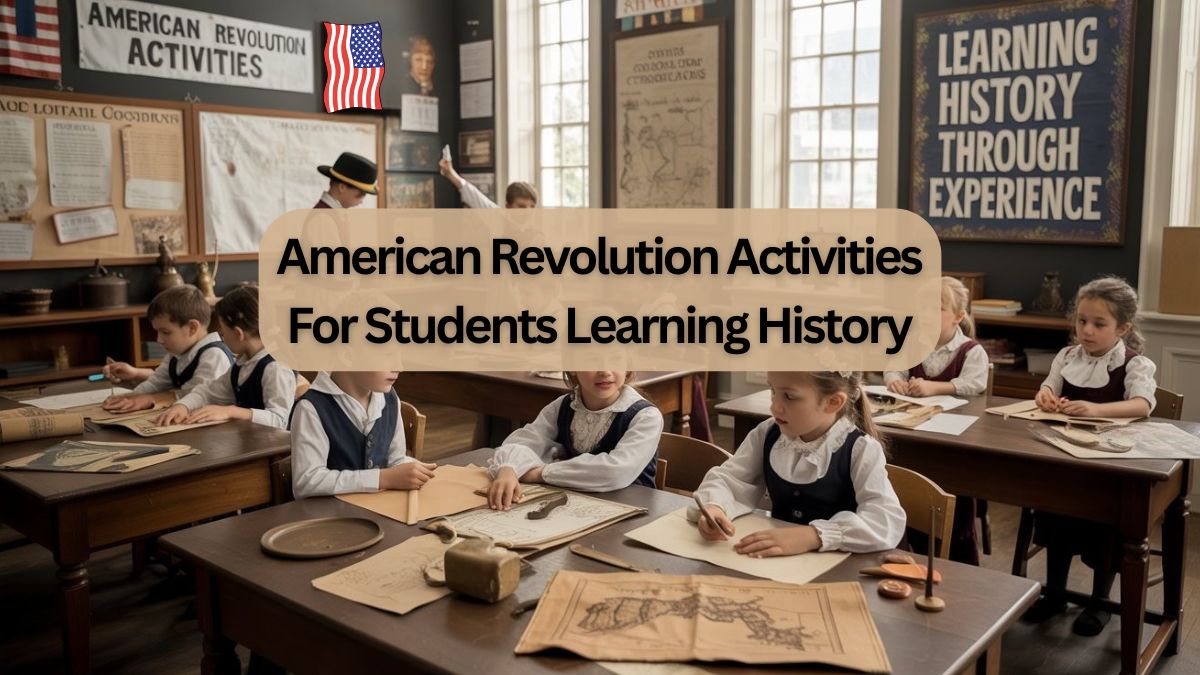
Learning history doesn’t have to mean memorizing dates from a dusty textbook—American revolution activities can transform the past into an exciting, hands-on experience. Whether you’re a teacher planning lessons, a homeschool parent, or simply wondering how to learn about the American Revolution in a meaningful way, interactive learning makes all the difference.
From creative American revolution escape room ideas to curated American revolution book lists, there are countless ways to spark curiosity and critical thinking. This article is designed to help you explore engaging, practical ideas that fit real classrooms and homes.
You’ll also uncover thoughtful ways to discuss the American revolution advantages and disadvantages, helping learners connect historical events to modern perspectives. Let’s bring history to life—one activity at a time.
🎯 Why Hands-On American Revolution Activities Actually Work
Before diving into specific ideas, it’s helpful to understand why interactive American revolution activities are so effective. When learners actively participate, they don’t just absorb information—they build emotional and intellectual connections to history.
Traditional methods often focus on memorization. Interactive approaches focus on:
- Experience over recall
- Curiosity over compliance
- Critical thinking over passive learning
Think of history not as a timeline, but as a story unfolding in real time—with real people, real choices, and real consequences.
🧠 Learning Styles and the American Revolution
Every learner approaches history differently. The best American revolution activities appeal to multiple learning styles at once.
Visual Learners
- Timelines
- Illustrated maps
- Political cartoons
- Infographics comparing British vs. colonial perspectives
Auditory Learners
- Dramatic readings of speeches
- Debates and role-play
- Podcasts or storytelling sessions
- Group discussions
Kinesthetic Learners
- Escape rooms
- Reenactments
- Simulation games
- Hands-on crafts
Pro tip: The most effective activities blend at least two learning styles for maximum engagement.
Related Article: 120 Martin Luther King Jr Quotes That Still Inspire Courage, Hope, and Change
🗺️ Setting the Stage: Immersive Learning Environments
You don’t need a full classroom makeover to create an immersive experience. Small design choices go a long way.
Simple Setup Ideas
- Hang maps showing colonies and British territories
- Label different corners of the room as “Patriot,” “Loyalist,” and “Neutral”
- Use candle-style LED lights for colonial ambiance
- Play soft instrumental music inspired by the era
Grocery-Style Setup Checklist
- 📜 Printed maps
- 🕯️ LED candles
- 🪵 Neutral tablecloths or burlap
- ✒️ Quill-style pens (or replicas)
- 📚 History-themed books
These small touches help learners mentally “step into” the 1700s.
🔐 American Revolution Escape Room Ideas (Classroom & Home-Friendly)
Escape rooms are one of the most engaging American revolution activities because they combine problem-solving, collaboration, and storytelling.
How an American Revolution Escape Room Works
Students are given a historical scenario—such as delivering secret Patriot messages or uncovering British troop movements—and must solve clues to “escape” or complete a mission.
Popular Escape Room Themes
- Spies in the colonies
- The road to independence
- Smuggling supplies past British troops
- Decoding secret messages
Example Puzzle Types
- Cipher wheels for secret codes
- Map coordinates leading to hidden clues
- Timeline puzzles in chronological order
- Primary-source analysis challenges
Grocery-Style Escape Room Supply List
- 🔐 Small lock boxes
- 🔢 Combination locks
- 🧩 Printed puzzles
- 🗺️ Colonial maps
- 📄 Aged-paper printables
Real-life tip: Start small. Even one locked box and three clues can feel exciting and meaningful.
Related Article: Presidents Day Activities: Crafts, Games & Lessons for All Ages
🎭 Role-Playing and Reenactment Activities
Role-play transforms abstract ideas into personal experiences. When learners become historical figures, history sticks.
Popular Role-Play Scenarios
- Colonial town hall debates
- Continental Congress discussions
- Loyalist vs. Patriot family arguments
- British officer strategy meetings
How to Run a Role-Play Successfully
- Assign clear roles
- Provide short background cards
- Allow preparation time
- Encourage respectful debate
- Reflect afterward
Reflection Questions
- What choice was hardest to make?
- Did everyone agree? Why or why not?
- How did fear or loyalty influence decisions?
These conversations naturally lead into discussions about American revolution advantages and disadvantages.
⚖️ Exploring American Revolution Advantages and Disadvantages
Understanding the American Revolution means examining both sides—not just celebrating victory.
Advantages of the American Revolution
- Political independence
- Representative government
- Economic self-determination
- New national identity
Disadvantages and Challenges
- Economic instability
- Divided families and communities
- Loss of life and property
- Uncertain future for marginalized groups
Activity Idea: Pros vs. Cons Board
Create a large T-chart where learners add arguments throughout the unit.
Grocery-Style Materials List
- 🧾 Chart paper
- 🖊️ Markers
- 📌 Sticky notes
- 📚 Primary source excerpts
This activity builds empathy and critical thinking without oversimplifying history.
📚 American Revolution Book List Activities (Beyond Reading)
Books are powerful, but how you use them matters just as much as which ones you choose.
Ways to Use an American Revolution Book List
- Literature circles
- Read-aloud sessions
- Book-to-activity connections
- Perspective-based comparisons
Creative Book-Based Activities
- Write diary entries from a character’s perspective
- Create alternate endings
- Design a book cover with symbolic elements
- Compare fiction vs. nonfiction accounts
Grocery-Style Book Activity Supplies
- 📖 Historical fiction books
- 📘 Nonfiction references
- 📓 Journals
- 🎨 Art supplies
Personal touch: Let learners help choose books. Ownership increases engagement.
🕵️ How to Learn About the American Revolution Through Inquiry
Inquiry-based learning encourages learners to ask questions first—then seek answers.
Inquiry Questions That Spark Curiosity
- Why didn’t everyone want independence?
- How did ordinary people experience the war?
- Could the revolution have failed?
- What risks did leaders take?
Inquiry Activity Framework
- Pose a compelling question
- Gather sources
- Analyze evidence
- Share conclusions
- Reflect on new questions
Grocery-Style Inquiry Tools
- 🔍 Primary sources
- 📰 Historical documents
- 🗂️ Research organizers
- 💻 Digital archives
Inquiry-based learning helps history feel relevant and alive.
🗞️ Primary Sources That Bring the Revolution to Life
Primary sources allow learners to hear voices from the past directly.
Types of Primary Sources
- Letters
- Pamphlets
- Political cartoons
- Newspaper articles
- Personal diaries
Activity: Primary Source Detective
Give learners a document and ask them to uncover:
- Who wrote it?
- Why was it created?
- What bias might exist?
- What does it reveal about the time?
Grocery-Style Materials
- 📄 Printed documents
- 🔍 Magnifying glasses
- 📝 Analysis worksheets
This activity naturally deepens understanding without feeling academic-heavy.
🗺️ Map-Based American Revolution Activities
Maps help learners understand movement, strategy, and geography.
Engaging Map Activities
- Trace troop movements
- Compare colonial regions
- Label key battles
- Analyze geographic advantages
Hands-On Map Ideas
- Build 3D maps with clay
- Create interactive foldable maps
- Use string to show alliances
Grocery-Style Map Supplies
- 🗺️ Blank maps
- 🧵 Yarn or string
- 📌 Push pins
- 🎨 Modeling clay
Maps make abstract strategies tangible and visual.
🧩 Project-Based Learning Ideas
Projects give learners ownership and purpose.
Popular Project Options
- Create a colonial newspaper
- Design a museum exhibit
- Build a timeline wall
- Produce a short documentary
Project Planning Tips
- Offer choice
- Use clear rubrics
- Include checkpoints
- Celebrate creativity
Grocery-Style Project Supplies
- 📰 Paper and templates
- 📦 Display boards
- 🎥 Recording devices
- ✂️ Craft materials
Projects turn knowledge into something learners are proud of.
👨👩👧 Family-Friendly American Revolution Activities at Home
History doesn’t have to stay in the classroom.
Easy At-Home Ideas
- Family debates over dinner
- History-themed game nights
- Read-aloud evenings
- Cooking colonial-inspired recipes
Grocery-Style Home Activity List
- 🕯️ Table candles
- 📖 Family-friendly books
- 🍞 Simple ingredients
- 🎲 Educational games
These moments create shared memories while reinforcing learning.
🌱 Making American Revolution Activities Evergreen and Shareable
To keep activities relevant year after year:
- Focus on big ideas, not just facts
- Encourage discussion and reflection
- Adapt complexity for different ages
- Connect past to present thoughtfully
When learners see history as a living story—not a finished one—they’re more likely to engage, share, and remember.
Final Thoughts,
The beauty of well-designed American revolution activities lies in their flexibility and impact. Whether you’re using simple printables, immersive escape room challenges, or diving into a thoughtfully chosen American revolution book list, these ideas prove that meaningful learning doesn’t require a big budget or large space.
By blending creativity with context—especially when exploring the American revolution advantages and disadvantages—you empower learners to think critically and engage deeply with history.
If you’ve ever wondered how to learn about the American Revolution in a way that actually sticks, these activities offer a practical, inspiring starting point.
Try one idea, adapt it to your setting, and watch curiosity grow. History becomes unforgettable when learners are invited to experience it, not just read about it.